

688.game Oficial 💯️ - O melhor cassino online do Brasil | Exploring the Alluring World of Tabletop Games
Exploring the Alluring World of Tabletop Games
In a digital age dominated by screens and virtual interactions, the timeless appeal of tabletop games offers a refreshing contrast. Spanning generations and cultures, these games bring people together in a unique way that neither technology nor digital platforms can replicate. The strategic maneuvers, tactile elements, and social interactions make tabletop games an enduring source of entertainment and community.
The Historical Roots of Tabletop Games
Tabletop games are not a modern invention. Their roots stretch back thousands of years, with evidence of ancient civilizations engaging in forms of board and dice games. From the strategic depths of Chess, believed to have originated in India, to the ancient Egyptian game of Senet, the fascination with structured play is a universal constant in human history. These games often reflected societal structures or were used as teaching tools.
Ancient GamesOne of the earliest known tabletop games is the Royal Game of Ur, which dates back to 2600 BC in Mesopotamia. Over centuries, games have evolved from these ancient origins, reflecting the changing societies and cultures they originated from. Monopoly, created during the Great Depression, emphasized economic awareness and strategic wealth accumulation, mirroring societal concerns of the time.
Modern Tabletop Games: A Renaissance
Despite the heavy influence of technology in entertainment, tabletop games have enjoyed a significant renaissance in recent years. Modern board games now offer complex narratives, cooperative play structures, and thematic depth that cater to a diverse range of interests and age groups. This resurgence is driven by a desire for more engaging and social forms of entertainment.
Role-Playing Games (RPGs)Role-playing games, or RPGs, have had a profound impact on the tabletop gaming landscape. Titles like Dungeons & Dragons (D&D) allow players to embark on collaborative storytelling adventures, assuming the roles of characters in a fictional setting. The guided yet flexible nature of RPGs fosters creativity, problem-solving, and collective storytelling.
Tabletop Games as a Social Connector
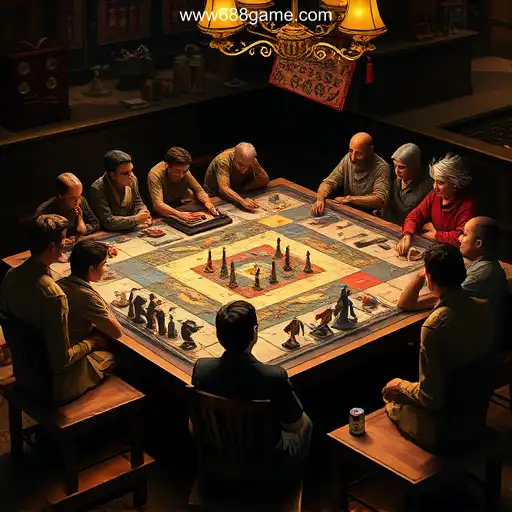
One of the most compelling aspects of tabletop games is their ability to bring people together. In a world where social interactions are increasingly mediated through digital means, the face-to-face engagement offered by tabletop games is invaluable. Players gather around a table, share laughs, debate strategies, and create lasting memories.
Family BondingTabletop games serve as a bridge between generations, offering opportunities for families to bond. Classics like Scrabble, Clue, and Risk provide a platform for family members of all ages to engage in friendly competition while learning from one another. These games also offer a pause from the relentless pace of modern life, fostering meaningful interactions.
The Strategic Nature of Tabletop Games
Tabletop games often require a high level of strategic thinking, offering both immediate satisfaction and long-term skill development. Games like Chess are renowned for their depth of strategy, demanding foresight and planning. This strategic nature not only entertains but also hones cognitive skills such as critical thinking, problem-solving, and decision-making.
The Rise of Strategic EurogamesEurogames, known for their strategic depth and economic themes, have become incredibly popular. Titles like Settlers of Catan and Carcassonne require players to plan and adapt strategies based on both player actions and random elements. These games have minimal reliance on luck, making each decision critical to the outcome.
The Cultural Impact of Tabletop Gaming
Tabletop games transcend mere entertainment by serving as cultural artifacts that reflect societal values, trends, and changes. As stories and themes evolve, so do the games that depict them, making gaming a living reflection of cultural shifts. The introduction of new themes and narratives in tabletop games reflects a broader inclusivity and greater diversity in storytelling.
Diverse RepresentationIn recent years, the gaming industry has responded to the call for diversity and representation. Many modern tabletop games feature diverse characters, settings, and themes that resonate with a wider audience. This inclusivity not only broadens the appeal of tabletop games but also fosters a more reflective platform of society as a whole.
Conclusion: The Future of Tabletop Games
The future of tabletop games looks as vibrant and varied as its past. Developers continue to innovate, creating games that push boundaries in storytelling, mechanics, and player engagement. As new generations discover the joy of tabletop gaming, its legacy of social connection and strategic engagement is assured to endure.
Embracing Digital HybridsInterestingly, the line between digital and tabletop games is becoming increasingly blurred. Hybrid versions incorporating apps and digital elements enhance traditional gameplay without replacing the tangible, social elements unique to the tabletop experience.
Through the creative ingenuity of its enthusiasts, tabletop gaming will continue to charm both new and veteran players alike, remaining a staple of communal entertainment and strategy for years to come.
ConclusionTabletop games have stood the test of time and will likely continue to evolve alongside societal changes, just as they have for millennia. Whether it is through traditional family games or contemporary hybrids, their social, intellectual, and cultural impacts provide an exceptional means of connecting people across the globe. Those interested in a new way of engaging with friends or testing their strategic skills will find tabletop gaming a rich, rewarding pursuit.


Mapa do Site Google